
By Kurdistan Voice Editorial
A pot of stuffed vegetables, freshly baked bread, a bowl of yoghurt, and glasses of hot tea: Kurdish food brings together everyday nourishment and the pleasure of sharing a table. Its richness comes from regional variety, seasonal ingredients, and recipes passed between generations.
There is no single menu that represents every Kurdish household. Across Kurdish communities in Turkey, Iraq, Iran, Syria, and the diaspora, ingredients, names, and cooking methods differ. Kurdish cuisine also shares many dishes with neighbouring Armenian, Assyrian, Arab, Persian, and Turkish traditions. Recognising these connections helps explain the region’s food culture while leaving room for distinctly Kurdish names, preparations, and family histories.
Explore this guide: Main dishes and soups · Breads and breakfast foods · Sweets · Drinks · Sources
What shapes Kurdish cooking?
Rice and bulgur provide the foundation for many meals. Vegetables appear stuffed, simmered, roasted, or served fresh, while lentils and other pulses feature in soups and everyday dishes. Lamb and chicken are common meats, accompanied by bread, yoghurt, herbs, and salads.
A festive meal might centre on an elaborate rice dish or slow-cooked meat. An everyday table may be built around rice, vegetable stew, bread, and a yoghurt drink. Both belong to the same culinary story.
Traditional Kurdish food: main dishes, soups, and regional specialities
Names and spellings vary between Kurdish dialects and local communities. Some entries describe families of dishes rather than one fixed recipe. Many are also part of neighbouring food traditions.
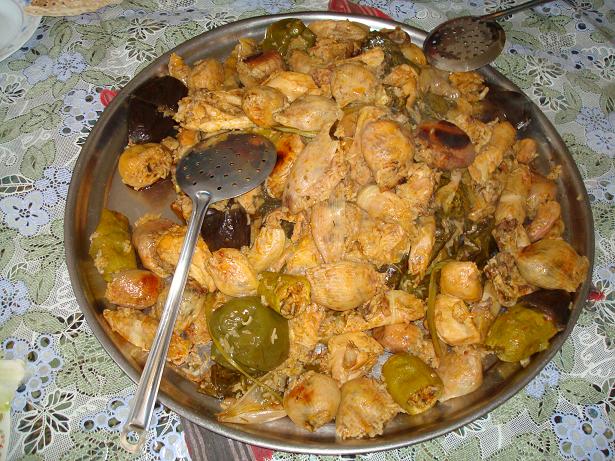
| No. | Food or drink | Description |
|---|---|---|
| 1 | Dolma and yaprax | Stuffed vegetables and vine-leaf rolls, commonly filled with seasoned rice and sometimes meat. Names and fillings vary locally. |
| 2 | Kubba / kutilk | A family of dumplings, often made with bulgur or rice and a seasoned meat filling. Shapes and cooking methods differ. |
| 3 | Kubba hamuth | Dumplings served in a sour broth; the ingredients used to create the sour flavour vary by recipe. |
| 4 | Biryanî | Seasoned rice with additions such as chicken, meat, vegetables, raisins, and nuts. |
| 5 | Kebab | Grilled minced-meat skewers, often served with flatbread, onions, and grilled vegetables. |
| 6 | Tikka | Grilled pieces of meat or chicken cooked on skewers. |
| 7 | Şifte / shifta | Seasoned minced-meat patties, served with bread, rice, or other accompaniments. |
| 8 | Tepsi | An oven-baked dish combining vegetables such as aubergine, potato, and tomato, often with meat. |
| 9 | Tirşik | In some local traditions, a vegetable stew with tomatoes, aubergines, and peppers, sometimes including meat. The term has other local meanings. |
| 10 | Meftune | A sour, sumac-flavoured dish associated with the Diyarbakır/Amed region, commonly combining meat and vegetables. |
| 11 | Büryan / perive | Lamb slowly roasted in a deep oven or pit, particularly associated with Siirt and Bitlis. |
| 12 | Ser û pê | A slowly cooked head-and-trotter dish, served with its rich broth. Ingredients and accompaniments vary. |
| 13 | Hûr û rovî / mumbar | Stuffed intestines, with fillings that may include grain, minced meat, herbs, and spices. |
| 14 | Hingel / hingen | Dumplings associated with several regional traditions; a meat-filled version is boiled and served with accompaniments. |
| 15 | Mehîr | A yoghurt-based soup with grain and sometimes chickpeas, prepared differently across regions. |
| 16 | Nîsk / lentil soup | A comforting lentil soup found on everyday tables. Seasoning and consistency vary. |
| 17 | Wheat and lentil soup | A substantial soup combining pulses and grain. |
| 18 | Bean and vegetable stews | Everyday dishes using beans, green beans, okra, courgettes, or aubergines, often in a tomato-based sauce. |
| 19 | Bulgur pilaf | Cooked bulgur served as a staple or accompaniment to vegetables, yoghurt, and meat dishes. |
| 20 | Spinach with eggs | A home-style dish combining cooked greens and eggs. |
Breads, breakfast foods, and accompaniments
Bread is central to the meal: it accompanies stews, carries grilled meat, and brings together cheese, honey, and yoghurt at breakfast. Flatbreads differ in thickness, texture, and the oven or griddle used to cook them.
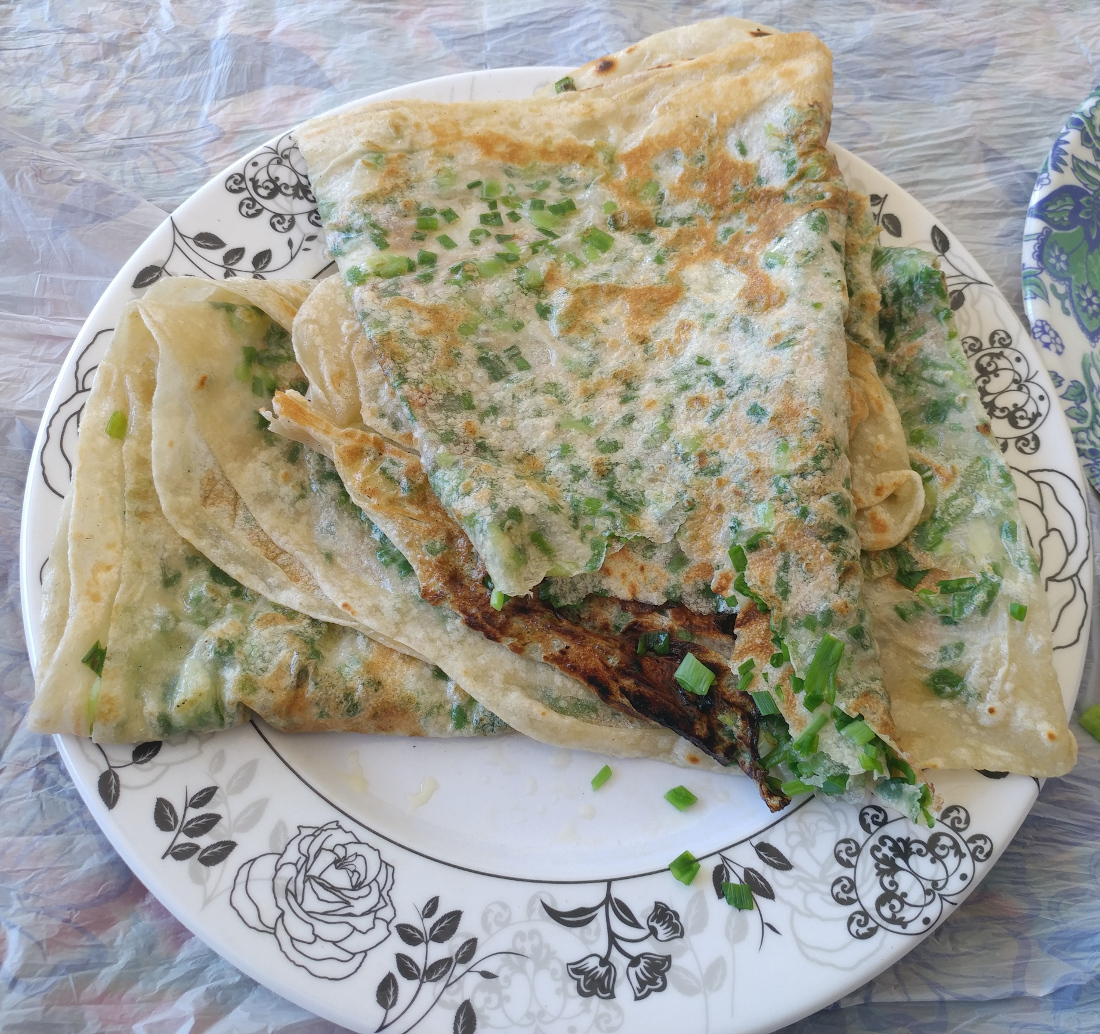
| No. | Food or drink | Description |
|---|---|---|
| 21 | Kelane / kalane | Thin flatbread filled with greens such as spring onions and cooked on a griddle; associated particularly with Hawraman. |
| 22 | Nanê tenûr | Bread baked against the heated inner surface of a traditional clay oven. |
| 23 | Nanê tîr | A thin bread found in Kurdish bread-making traditions. |
| 24 | Nanê sêlê | Bread cooked on a heated metal griddle. |
| 25 | Lavash / nanê loş | Thin flatbread belonging to the wider region’s shared bread traditions. |
| 26 | Van/Wan herbed cheese | A regional cheese incorporating herbs, commonly included in breakfast spreads. |
| 27 | Amed braided cheese | A regional cheese distinguished by its braided form. |
| 28 | Mast û xiyar | Yoghurt and cucumber, sometimes flavoured with mint or other additions. |
Sweets and desserts
Sweet foods offer another view of Kurdish culinary variety. Some are prepared for celebrations, while others accompany an afternoon glass of tea. Many belong to a shared regional repertoire.
| No. | Food or drink | Description |
|---|---|---|
| 29 | Kulîçe / klecha | Cookies or pastries with varieties filled with dates or walnuts. |
| 30 | Paklawa / baklava | Layers of thin pastry with nuts and a sweet syrup. |
| 31 | Helwa / halva | A family of sweets with different bases, including sesame or flour. |
| 32 | Bastiq / pestil | Fruit pulp or juice prepared as thin, dried sheets. |
| 33 | Qedayif / kadayıf | A sweet made with fine pastry strands, often combined with nuts and syrup. |
| 34 | Loqme / lokma | Small fried dough sweets, typically served with syrup. |
| 35 | Eşûre / aşure | A pudding combining grains with ingredients such as pulses, dried fruit, and nuts. |
| 36 | Zerde | A sweet rice pudding known in regional food traditions. |
Kurdish drinks: tea, yoghurt drinks, and regional refreshments
Drinks deserve their own place in the story. Tea accompanies conversation, yoghurt drinks sit beside savoury meals, and fruit-based refreshments reflect the produce available locally.
The list below includes both traditional regional drinks and everyday refreshments enjoyed in Kurdish communities. It does not imply that every drink originated exclusively in Kurdish cuisine.
| No. | Food or drink | Description |
|---|---|---|
| 1 | Çay / chai — black tea | A familiar part of hospitality, served to guests and after meals. Sweetness and brewing preferences vary. |
| 2 | Dew / mastaw / doogh — yoghurt drink | Yoghurt mixed with water, often salted. Regional names and preparations differ; these are related drinks rather than three entirely separate categories. |
| 3 | Qehweya kezwanê — terebinth coffee | A hot drink made from roasted, ground terebinth fruits, often prepared with milk. The pure terebinth version contains no coffee beans and is naturally caffeine-free. |
| 4 | Pomegranate juice | A fruit juice enjoyed in the region, with a flavour ranging from sweet to tart. |
| 5 | Raisin drink — kishmish av | A traditional raisin-based refreshment found in accounts of Kurdish drinks. |
| 6 | Ava sûsê — liquorice drink | A regional beverage prepared from liquorice root. |
| 7 | Xoşav — fruit compote and its liquid | Cooked fruit served with its sweet liquid; depending on preparation and household custom, it can function as a dessert or a drink-like accompaniment. |
| 8 | Fresh orange juice | An everyday fruit drink served in the region, rather than a specifically Kurdish invention. |
| 9 | Fresh melon juice | A fruit refreshment reflecting the region’s use of seasonal produce. |
A cuisine kept alive through everyday cooking
Kurdish food cannot be reduced to one national dish or a single list of ingredients. Its character lies in the relationship between place, language, season, and household practice.
Recording a grandmother’s filling for yaprax, the local name for a bread, or a family’s way of preparing mehîr preserves more than a recipe. It keeps a small part of cultural memory available to the next generation—and invites others to discover it at the table.
Discover more in Kurdish Culture and Cultural Heritage.
Sources and further reading
The Kurdish Project — Kurdish Food: an introduction to ingredients and shared regional food traditions.
Kurdistan Regional Government Representation in Austria — Kurdish Cuisine: meals, drinks, breads, and sweets.
KurdishPeople.org — Cuisine: breads, dairy products, sweets, and drinks.
Kurdish Central — Cuisine: household meals and hospitality.
Regional food guide hosted by Kurdipedia (PDF): regional dishes including meftune, büryan, mehîr, and stuffed intestines.
Visit Kurdistan — Culture and Food: dolma, kebab, tikka, and other dishes.
Kurdistan.fm — A Guide to the Kurdish Table: regional dishes and bread traditions.
Kurdish cuisine overview: additional dish names and references.
Kurdipedia — Kurdish coffee: terebinth coffee and its ingredients.


Leave a Reply